Find Your Perfect Season in Canada’s National Parks
Ready to unlock the best time to visit Canada’s national parks, complete with seasonal itineraries and unmissable highlights? We’ll guide you through spring awakenings, summer’s long-light adventures, autumn’s golden calm, and winter’s hushed magic, so you can plan confidently, travel respectfully, and savor unforgettable moments across an extraordinary landscape.

Spring Thaw: Wildlife Returns and Quiet Trails

As snow retreats and rivers surge, spring rewards curious travelers with peaceful trails, abundant birdsong, and wildlife emerging from winter’s shelter. Expect variable conditions—mud, lingering ice, and chilly mornings—balanced by fewer crowds and fresh energy in places like Banff, Jasper, Fundy, La Mauricie, and Point Pelee. Bring patience, flexible plans, and a camera for dramatic waterfalls, misty mornings, and first blooms.
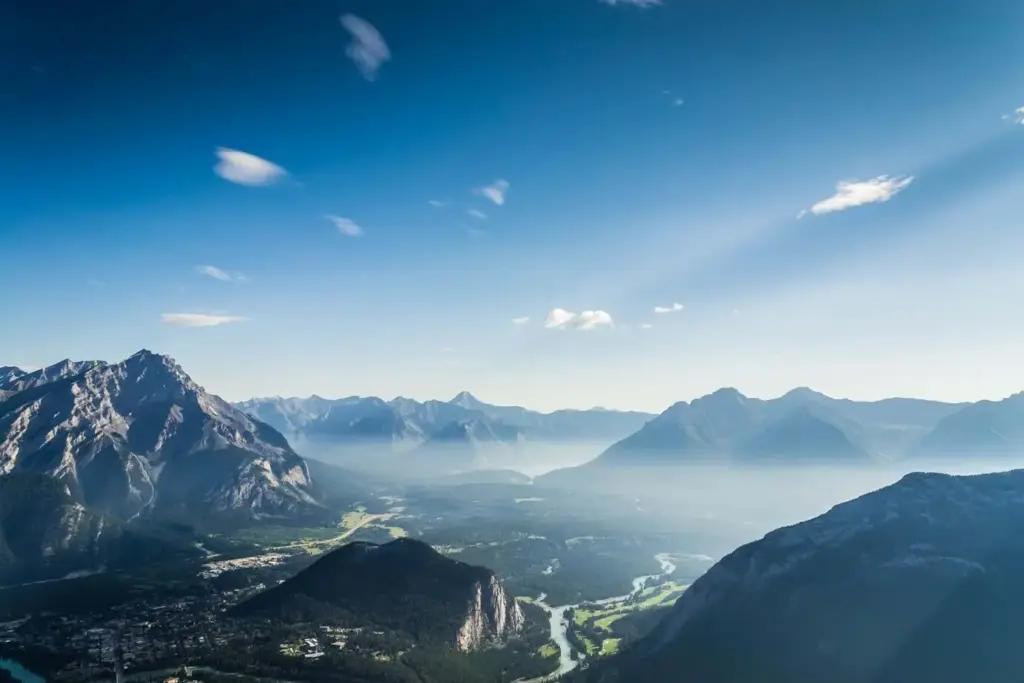
Touch down in Calgary and make your way to Banff for steaming coffee and shoulder-season serenity. Hike lower-elevation trails, then head to Lake Louise for shoreline strolls and scenic shuttle-accessed vistas if conditions allow. Drive the Icefields Parkway, pausing at overlooks and short walks. Continue to Jasper for canyons, hot drinks, and quiet wildlife watching at dawn. Loop back with stops for thawing wetlands and soaring views.
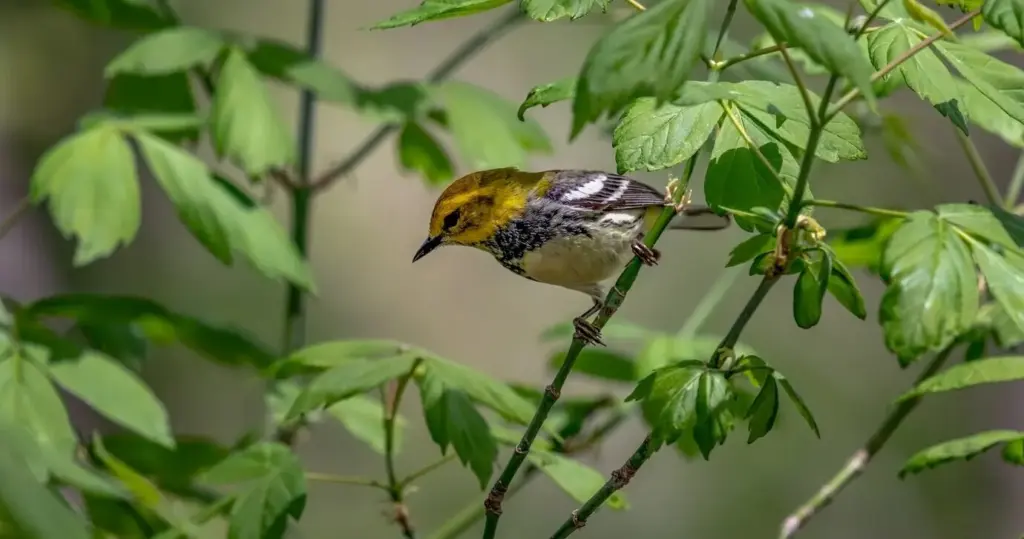
Dawn and dusk often reveal elk, bears, and mountain goats. Keep generous distances—consult Parks Canada guidance and treat 30 to 100 meters as a minimum depending on species. Never feed animals or block traffic for photos; use pullouts, stay attentive, and carry binoculars. Patience rewards ethical observers with unforced encounters, safer memories, and better stories to share with fellow travelers.

Peak Summer: Long Days, Glacier Lakes, and Festive Energy
With alpine meadows in bloom and turquoise lakes glowing in high sun, summer offers classic postcard days—and busy parking lots. Book shuttles, campsites, and popular trails where required. Plan refreshing ocean breezes at Pacific Rim, fjords at Gros Morne, and sweeping Rockies panoramas. Sidestep crowds by starting early, exploring lesser-known loops, and savoring picnic lunches away from trail hubs.

7-Day Rockies Highlights Without Rush
Begin in Banff with an early visit to Johnston Canyon, then ride a shuttle to Lake Louise or Moraine Lake if available. Explore Yoho’s Emerald Lake and mighty waterfalls when mountain roads open. Glide the Icefields Parkway with time for short glacier-view walks and roadside overlooks. Settle into Jasper for Maligne Lake, canyons, and stargazing, leaving buffer hours for spontaneous viewpoints and wildlife-safe pullouts.

Atlantic Adventure: Gros Morne and Fundy Coasts

Fly to Deer Lake for Gros Morne’s epic cliffs, coastal trails, and Western Brook Pond boat tours. Continue east to watch tidal drama along the Bay of Fundy, where forested paths hug rugged shorelines. Paddle calm inlets on still mornings, linger at lighthouses during pastel sunsets, and treat yourself to fresh seafood. Embrace cool breezes, dramatic fog, and the timeless soundtrack of waves.

Autumn Glow: Larches, Rutting Elk, and Crisp Air

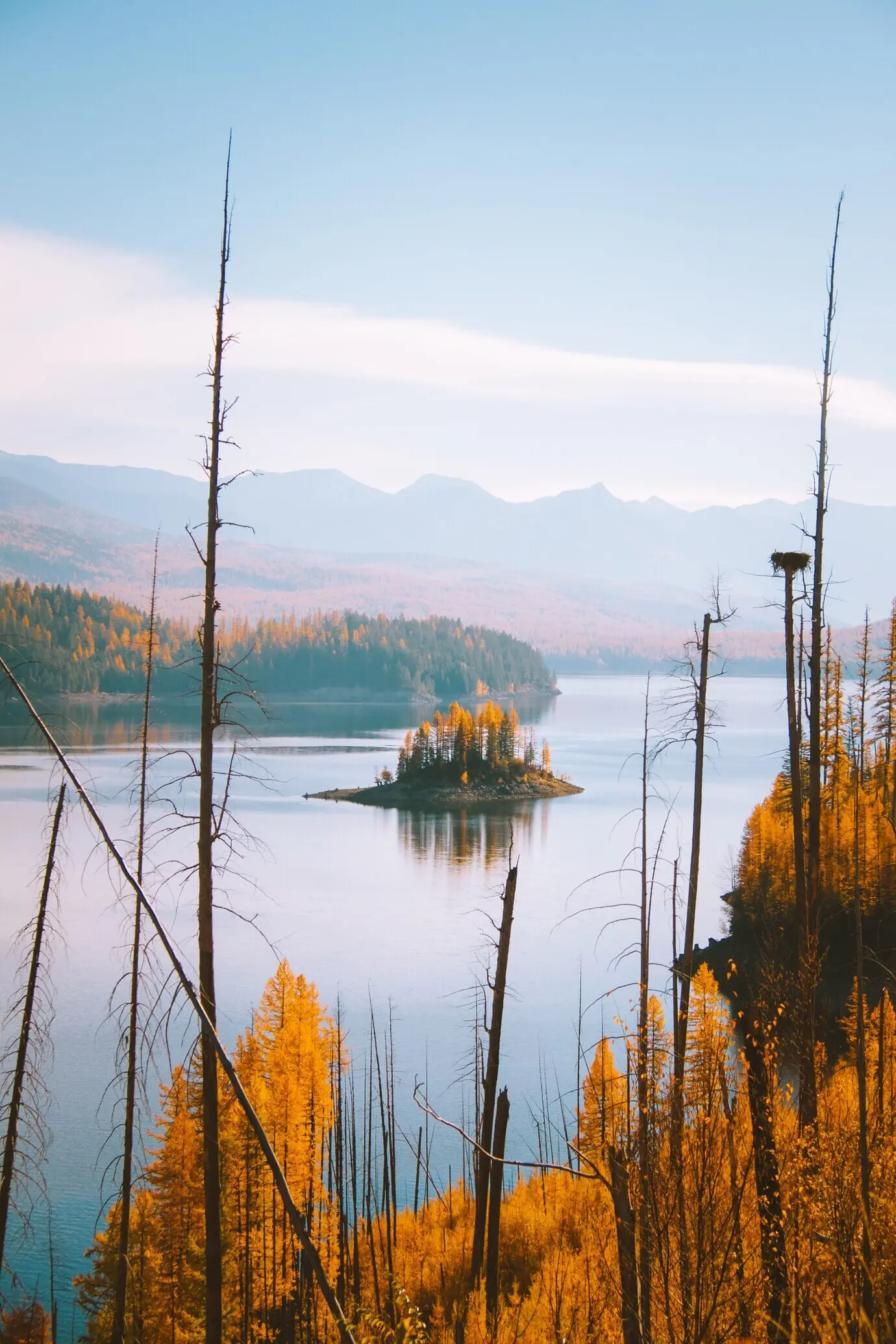
Autumn paints subalpine landscapes with golden larches, while cooler temperatures thin crowds and quiet popular lookouts. Elk bugling echoes at dawn, mountain peaks may receive their first icing, and evenings invite warm layers and hearty meals. It’s a thoughtful season for unrushed hikes, contemplative photography, and meaningful conversations with rangers about changing conditions and trail etiquette.

01

3-Day Larch Chase around Lake Louise

Time your visit for late September’s typical color peak, then hike into Larch Valley and, conditions permitting, continue toward Sentinel Pass. On day two, choose Sunshine Meadows or Taylor Lake for sweeping views and golden groves. Save a flexible third day for weather windows, post-hike coffee, and roadside pullouts where light shafts transform familiar ridgelines into glowing mosaics worth lingering over.

02

Cultural Stops and Harvest Flavors

Pair outdoor days with museum visits, interpretive centers, and Indigenous-led experiences that deepen your connection to the land. After hiking, taste regional specialties, from prairie-inspired fare to mountain comfort dishes. Visit local markets for late-season produce, sip craft beverages while reviewing tomorrow’s route, and exchange trail stories with guides who understand how changing light transforms even familiar viewpoints into vivid discoveries.

03

Photography Playbook for Color and Mist

Aim for soft dawn light and patience around reflective lakes. A polarizing filter enhances color, while a sturdy tripod helps at slower shutter speeds. Compose with layers—foreground foliage, midground water, distant peaks—and watch for passing clouds that create dramatic shadows. Keep batteries warm, lens cloths handy, and celebrate subtle moments where wind stills and autumn hues settle into quiet brilliance.

Winter Wonder: Snow Quiet and Northern Lights
Winter hushes trails, sharpens air, and reveals night skies alive with constellations and potential aurora displays in northern latitudes. Embrace snowshoe paths, groomed cross-country networks, and guided canyon icewalks where permitted. Warm up in cozy towns, respect seasonal wildlife sensitivities, and prepare for short daylight windows by aligning ambitions with safety, skills, and avalanche awareness in mountainous terrain.

Choosing the Right Park for Your Month
Match your calendar to seasonal strengths. May invites migratory birds and waterfalls, June softens snowlines, July and August deliver alpine access, September glows golden, October cools and quiets, and deep winter rewards prepared travelers. Blend comfort with curiosity by picking parks that align with daylight, road access, and your appetite for wildlife, coastal weather, or northern skies.

Indigenous Perspectives and Guided Experiences
Seek tours that honor Indigenous histories and current leadership, from Haida Gwaii’s co-managed Gwaii Haanas to Inuit-guided journeys in Torngat Mountains. Listen first, ask thoughtful questions, and support community-owned operators. Cultural context deepens scenic beauty, turning hikes and paddles into opportunities for learning, gratitude, and connection that outlast itineraries and make every return visit more meaningful.

Food Storage, Campsite Habits, and Roadside Hazards
Use bear lockers or approved canisters, cook away from sleeping areas, and keep a spotless camp. On roads, slow for wildlife, resist roadside stops that block traffic, and choose safe pullouts for photography. At dawn or dusk, scan shoulders carefully. These small habits safeguard animals, reduce human-wildlife conflict, and keep memories focused on wonder rather than preventable close calls.

How to Support Communities Year-Round

Book locally owned stays, hire regional guides, and enjoy restaurants that showcase seasonal ingredients. Visiting in shoulder seasons spreads economic benefits and eases summer pressure on trails and staff. Share feedback constructively, tip fairly, and recommend responsible businesses. Your choices help parks and towns flourish together, ensuring future trips feel welcoming, resilient, and genuinely rooted in place.

Planning Essentials: Reservations, Passes, and Weather Smart

Lock in key pieces early—campgrounds, backcountry permits, shuttles, and popular day-use areas—then maintain flexibility for weather changes and ranger advice. A Parks Canada Discovery Pass can simplify entry, while layered packing protects comfort across fast-shifting conditions. Build rest days, travel with curiosity, and tell us what month you love most so we can tailor future route ideas.
Kazufunitezoxeke
Privacy Overview

This website uses cookies so that we can provide you with the best user experience possible. Cookie information is stored in your browser and performs functions such as recognising you when you return to our website and helping our team to understand which sections of the website you find most interesting and useful.