
Chasing Shoulder-Season Deals Across Canada
We’re diving into shoulder-season savings and exactly when to find the best deals on Canadian tours, from glacier-fed mountains to salty Atlantic harbors. Discover how spring and fall windows unlock lower prices, lighter crowds, and richer connections, using real booking data, guide insights, and traveler stories to help you confidently plan memorable, budget-smart adventures.
Early Spring Edge
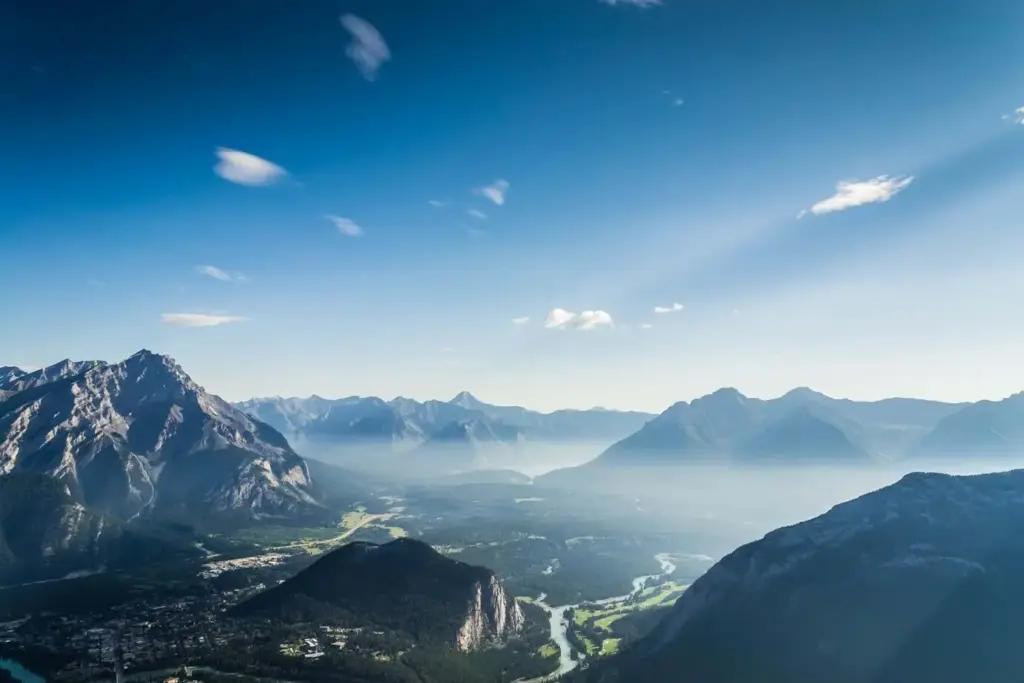
Late April into May often brings attractive rates before summer demand surges. Trails begin reopening, city patios return, and whales approach coastal routes, while snow lingers at elevation. Tour operators release inventory to jump-start bookings, creating room for upgrades, free add-ons, and flexible cancellations if you move decisively and monitor weather fluctuation.
Late Spring Sweet Spot
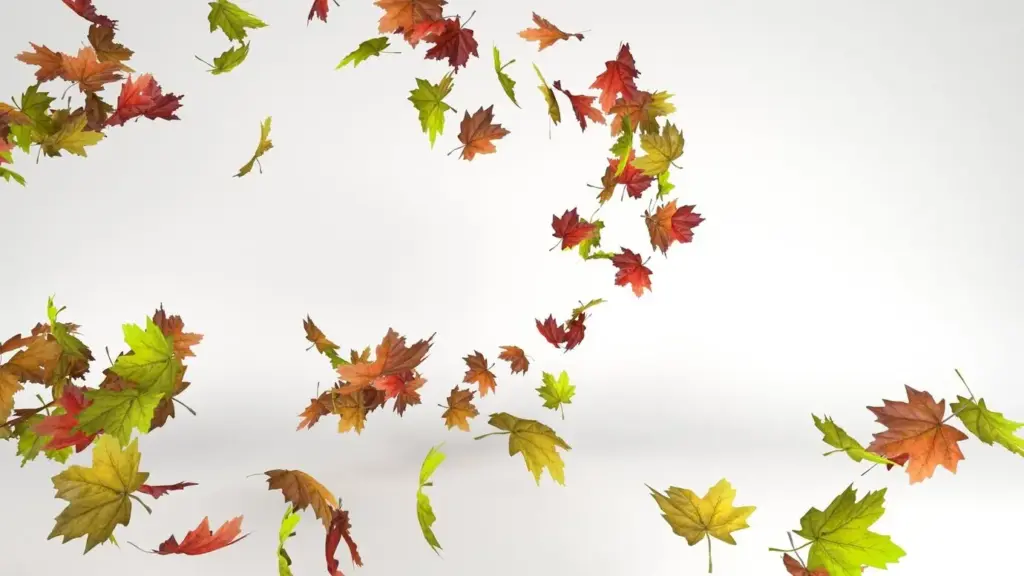
Early June can balance longer daylight, blooming parks, and manageable prices in many destinations. Shoulder airfare fares often stabilize after spring break spikes, and coastal rain eases. You’ll find fewer lineups at national parks, while urban museums, markets, and festivals kick off, delivering depth without peak-season premiums or sold-out popular excursions.
How Prices Move: Flights, Stays, and Tours Working Together
Pricing in shoulder months follows patterns shaped by fuel costs, school calendars, and weather certainty. Airfare can drop midweek and outside holiday windows; hotels shift rates dynamically with occupancy; tour operators release blocks or upgrades to fill departures. Understanding these moving parts helps you stack savings across the entire itinerary.
Balancing Weather, Wildlife, and Wallet
Lower prices often coincide with transitional conditions. Expect layered packing, variable daylight, and occasional closures at high elevations. In return, wildlife activity can peak, waterfalls surge, and auroral displays brighten northern skies. We’ll weigh what you gain and what you risk so your choices fit your priorities.
Savings Without Sacrifice: Stories From the Road
Firsthand experiences reveal how thoughtful timing stretches budgets while preserving wonder. These snapshots show families, couples, and solo explorers swapping peak-season queues for open trails, sunset patios, and spontaneous wildlife encounters—proof that a little flexibility turns shoulder weeks into memory-rich journeys without compromising safety, comfort, or authenticity.


Smart Planning: Tools, Alerts, and Tactics That Pay Off
Harness technology and human expertise together. Flexible-date calendars, fare trackers, and price-drop guarantees pair beautifully with local agents who know festival calendars and road conditions. Build refundable scaffolds first, then pounce on flash sales, stacking loyalty perks, referral credits, and value-rich add-ons that keep total trip costs lower.
Where and When: Regional Spotlights for Maximum Value
Canada’s scale rewards targeted timing. Coastal rains, prairie festivals, mountain snowlines, and university calendars all influence availability and price. We’ll highlight windows when experiences soar and costs sink, giving you confidence to prioritize regions—whether that means salmon runs, larch hikes, wine harvests, or urban art extravaganzas after summer crowds.
Vancouver and Vancouver Island
Late April to early June brings blooming gardens, migrating whales, and shoulder ferry schedules that still leave space. Hotel rates soften after spring break, and bike routes fill with locals rather than tour buses. September delivers clear skies, craft cider harvests, and excellent coastal hikes with calmer trailheads.
Banff, Jasper, and the Rockies
May unveils thawing lakes, affordable shuttles, and lodge promotions before alpine trails fully open. By late September, golden larches ignite and wildlife viewing improves, with fewer bus groups. Gondolas, canyons, and scenic drives shine either side of summer, trading peak congestion for serenity and favorable availability across categories.
Toronto, Montreal, and Quebec City
Late spring balances patio season with manageable hotel pricing, especially midweek. Museums rotate exhibits, festivals launch, and rail seats remain accessible. Early fall cools humidity, reveals vibrant neighborhoods, and encourages long walks between bakeries, markets, and galleries—satisfying urban explorers who value culture, cuisine, and lower rates over scorching temperatures.
Support Local, See More
With fewer visitors, it’s easier to book Indigenous-led tours, neighborhood food walks, and small museums that benefit most from steady income. Conversations deepen, recommendations multiply, and your dollars circulate locally, unlocking authentic perspectives while reinforcing cultural preservation and year-round employment in communities that welcome curious, considerate travelers.
Reduce Footprint, Increase Joy

Riding trains, booking walkable hotels, and choosing smaller group sizes shrink environmental impacts when ecosystems are recalibrating between seasons. You’ll move slower, notice more, and keep spontaneity alive with calmer schedules—often discovering unscripted moments that become the highlight reel of an affordable, environmentally thoughtful Canadian journey.
Stay Connected With Us

Share your timing wins, ask itinerary questions, or request destination-specific calendars in the comments. Subscribe for fresh deal alerts, seasonal checklists, and story-driven guides tailored to evolving Canadian conditions. Your feedback refines future advice, helping fellow travelers catch better prices while traveling respectfully and joyfully between peak seasons.
All Rights Reserved.